
Originally published in March, 2017.
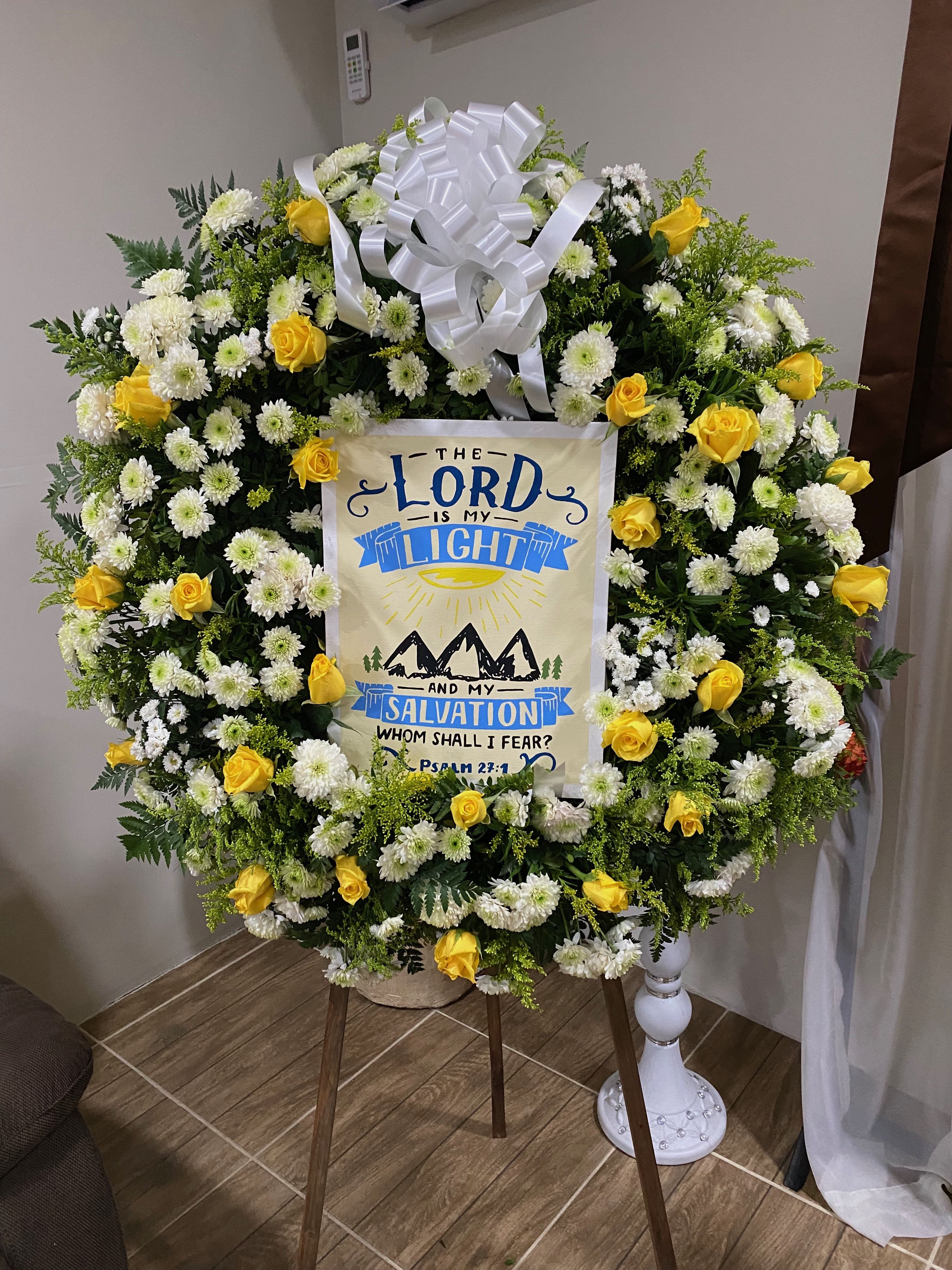
I sit with my head in my hands, sobbing quietly, Jefferson’s casket in the space in front of me. We had learned of his murder just 24 hours before, and, because of the frantic preparations, there has been no time to cry. The funeral parlor is hot and loud; we’ve got Christian music playing to drown out the roar of the old, diesel buses passing by on the busy boulevard just a few feet from the door. I had been running around getting things set up for the funeral, but the loss finally catches up to me. I remove a vase of dusty fake flowers from a chair by the casket and sit—and weep.
Jefferson left the streets in June 2015 to join Micah and lived with us for three long stretches through Sept. 2016—long enough to entrench himself in our hearts and to make his death feel like we are losing a son. Now we have to find a way to say goodbye. He had been gunned down five days before, on Jan. 18, but the news reported it as a killing of an “unknown victim,” so it took a few days for us to find out. Since embalming is not practiced in Honduras, there is an urgency to what we do; everything has to happen TODAY.
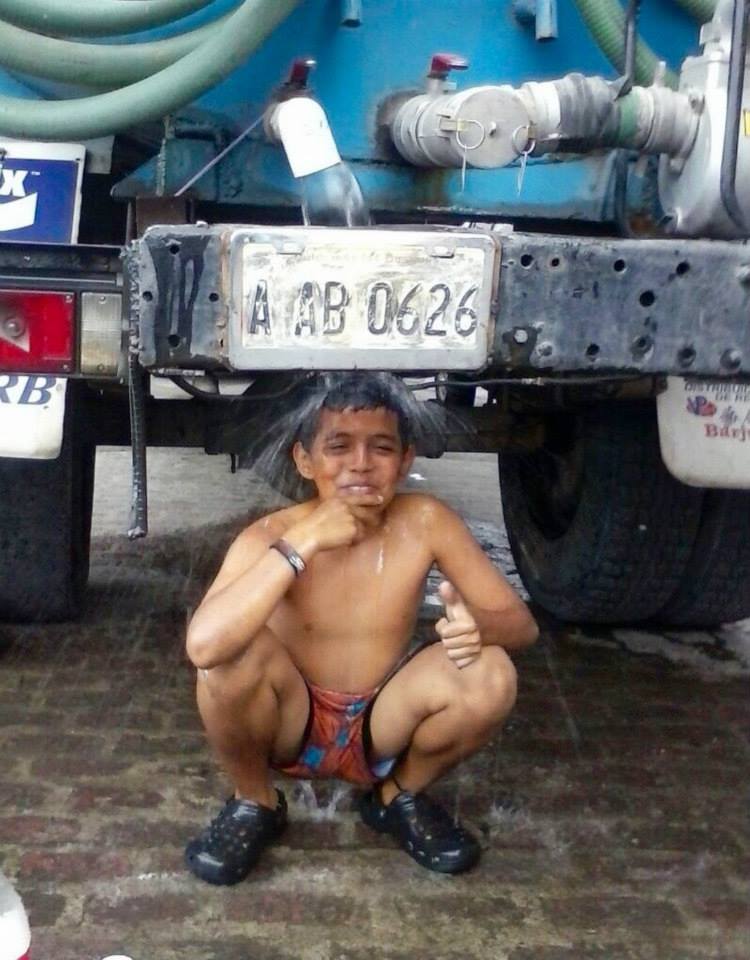
There are about 80 people in this bargain-priced, poorly-ventilated funeral parlor designed to hold 30. Located just a few steps from the public hospital which admits all of the shooting victims in a city that has one of the highest murder rates in the world, this little building is designed for people who are too shocked and don’t have enough time or money to grieve their loved ones anywhere else.
Besides the Micah family, there are at least 30 youth from the downtown street-kid population present at the funeral. They are effusive in their grief over (another) loss of one of their own. They line up one-by-one and shed loud tears over the glass that shuts in Jefferson’s bullet-scarred body. One of the reasons I love loving Tegucigalpa’s population of street youth is that they have no filter—what you see is what you get. Whatever thought or emotion is on the top of their head is the one they will likely share (“HEY MICHAEL, YOU’VE GOTTEN SO FAT LATELY,” one will exclaim at full volume on a busy public street as he pats my belly between puffs of yellow shoe glue). You come to realize, though, that there is no judgement in these pronouncements. These are the outcasts of society; they know they are already rejected by most, so they see no need to put on airs. As strange as it sounds, there is something refreshing and beautiful in this.
This behavior is definitely true in their time of grief. While some not-so-politically-correctly puff on joints outside the funeral parlor, dulling the pain they are feeling, others wrap up in each other’s arms and weep openly. For some reason, God has decided that it is my job to get up in front of these wandering souls, stand by Jefferson’s casket, and speak truth to them. Though I have not had NEARLY enough time to process in my own heart why Jefferson had to die, and though my preference would be to lock myself in my cabin out at Micah 2.0 and mourn privately, I am called to lead this community of broken kids in a public goodbye to this lost brother, this wayward son.
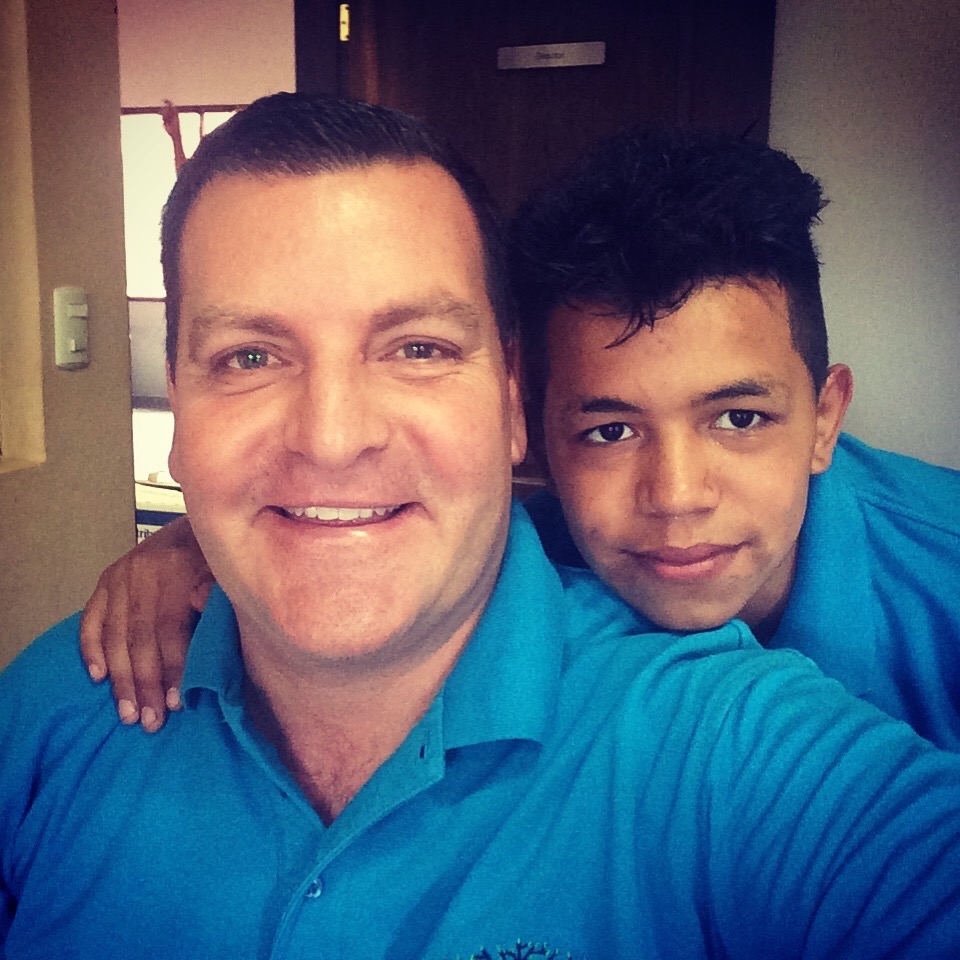
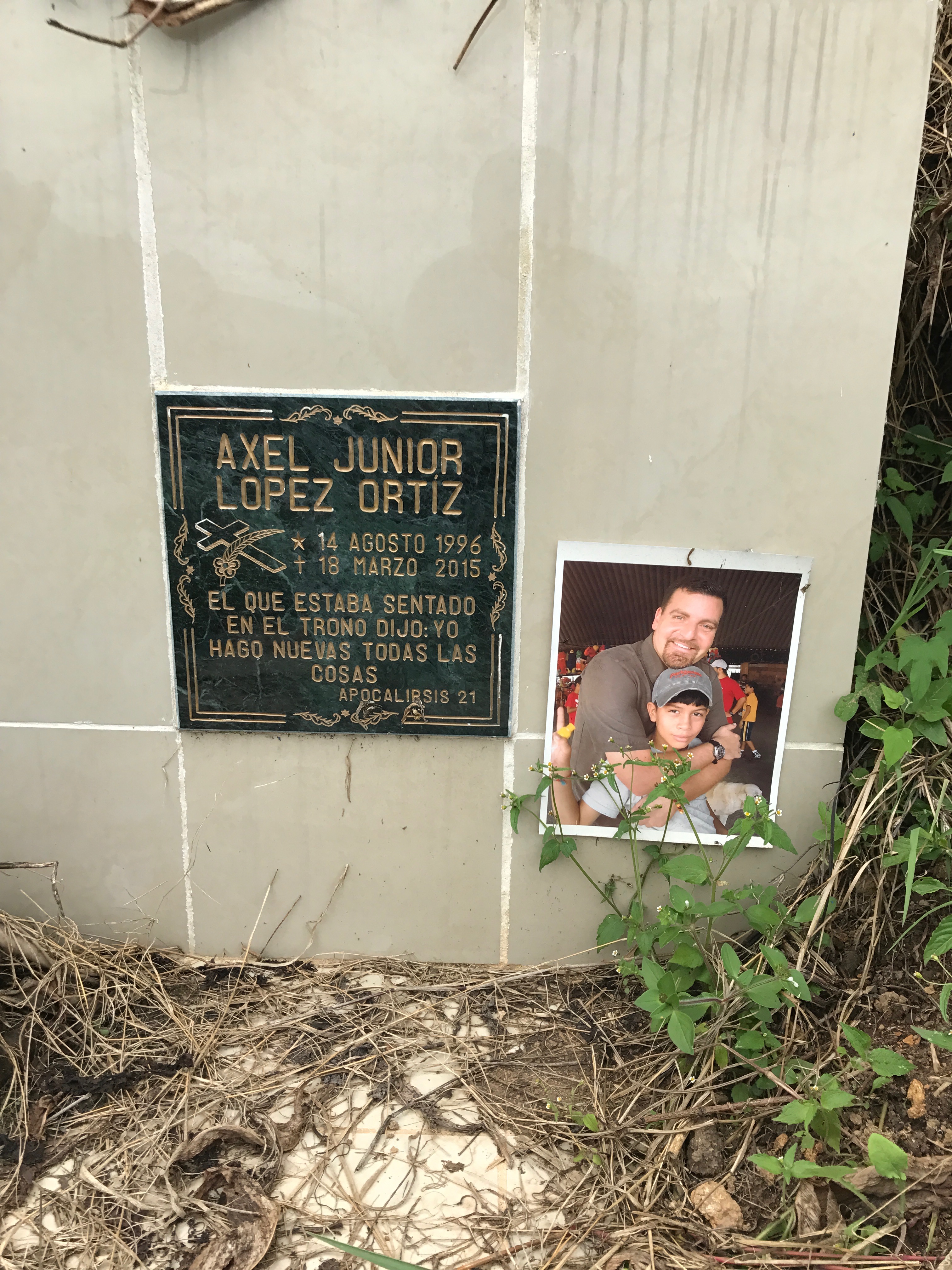
Making this so much harder was not only the unspeakable loss of his death but also the intense immediacy of his life at Micah. The three other Micah guys we have buried—Axel, Marvin and Charlie—had already been gone from Micah for a couple of years. And although their deaths ripped us to pieces, in a way, we had already begun to say goodbye to them long before.
But Jefferson had still been a Micah boy less than four months before his death. The smiling selfies we have with him on our phones are from NOW, not from the sepia-stained past. He was just 14, after all. He should still be at Micah, finishing up his sixth grade classes and getting ready to head to soccer practice with the other guys.
So I wipe the tears out of my eyes and stand up. I ask a few of the street youth to go out to the sidewalk to call their friends out of the blue haze of smoke and into the stifling parlor. Once we are all gathered, the Lord helps me speak words of resurrection and life to those gathered there—of a promised life to come, in which “He will wipe away every tear from their eyes, and death shall be no more, neither shall there be mourning, nor crying, nor pain anymore, for the former things have passed away.” I speak of how Jesus died, not because he was defeated by the world, but because he desperately wanted to defeat all that the world has done to them: the neglect and abandonment, the addiction, the degradation that life on the streets throws at them day-to-day.
Jesus died, and rose again, to introduce them to his Father’s boundless love.
We finish the service and need to get to the cemetery quickly since we are racing the sunset. All 80 of us pile into vehicles for the trip up the mountain to the grave. The funeral home staff can’t get their past-its-prime hearse to start, so they send an employee up and down the road to all of the other funeral homes surrounding the public hospital to see if they can borrow one. In the end, we strapped the casket into the back of our pickup truck, which is probably what we should have done all along (the funeral home director was mortified by this snafu and kindly, but perhaps not fully thinking things through, called us on the way to the cemetery to offer us a free casket on our next visit—as if we had just sent a meal back to the kitchen at a nice restaurant. A morbid gesture, but one that gave us a fleeting moment of incredulous laughter on a heavy, tear-stained day…).
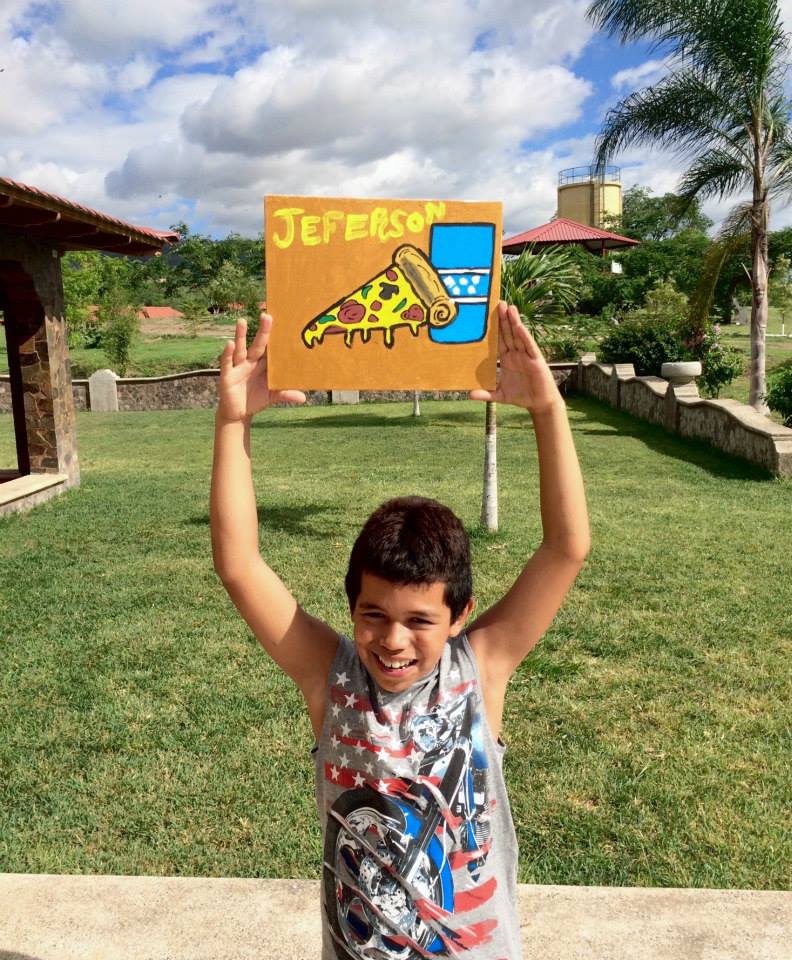
Caravanning through the typically grid-locked Tegucigalpa traffic behind our pickup truck/makeshift hearse gives me a chance to start an internal dialogue, which continues to this day, about why Jefferson was on the streets instead of in the Micah House.
Jefferson is one of many boys who wander the streets who have never known their fathers. His mom is a street worker who struggles with mental illness and alcoholism; she never showed him any attention or affection. Being raised by no one caused Jefferson to never develop an internal thermometer to help him gauge when—or why—he was being loved. As a boy created in the image of God, he understood what love is, he knew what the idea of love means, he even had the ability to see it in others, but he just never understood how it applied to him.
Micah’s Honduran and North American staff make up an extraordinary group of people who choose to place themselves in the tempestuous real estate of these boys’ hearts in order to love them ferociously and obstinately, even when boys like Jefferson can only receive that love with both fists raised in a boxer’s defensive stance. Most of the boys do eventually let down their guards and allow themselves to be loved, but that is a process that can take months and years.
Meanwhile, we have had knives drawn on us and rocks thrown at us by boys who are fighting to expunge the last demons of street life that are shouting at them not to trust the love we offer.
Jefferson had one of those moments (well, many, but one that stands out) his first month as a Micah boy, when he went into a full-blown crisis. Someone accidentally kicked a soccer ball in his direction and burst open the valve that was staving off all his pent-up rage. For 45 minutes he threw rocks at the house and at anyone who tried to come near him, screaming every obscenity in the book. Becca and I gradually inched nearer to him, talking in soothing voices about other things, ignoring the fury directed our way. Finally, Jefferson wore himself out, came over to the couches where we were sitting, hugged me tight, and began to weep.
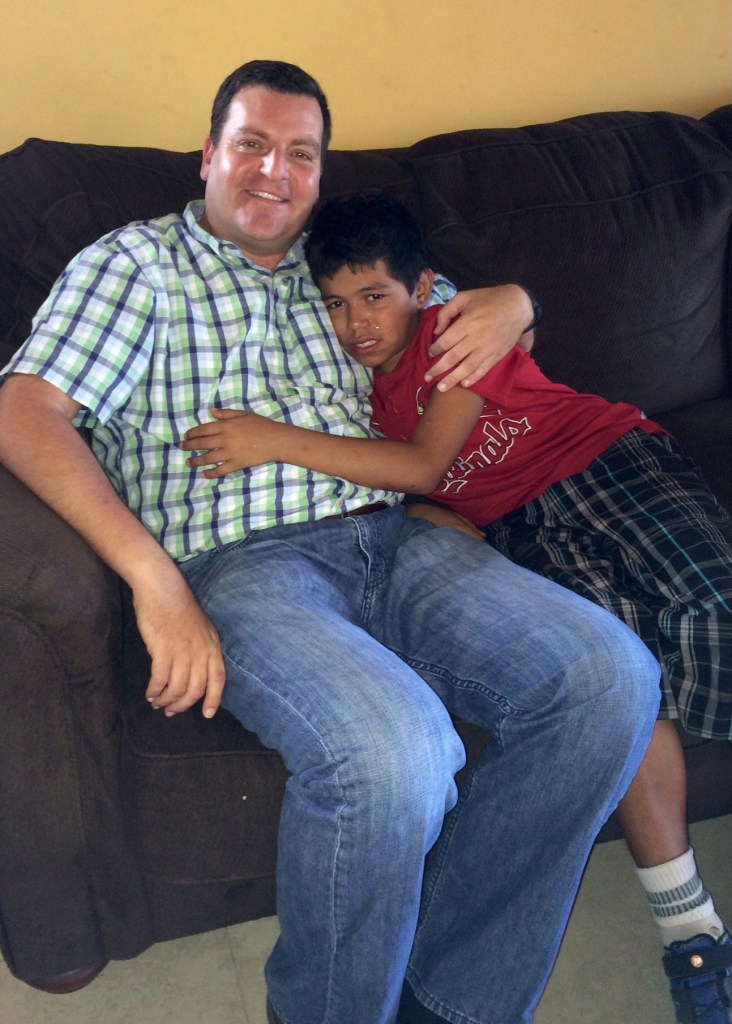
We directed our soothing talk to him, speaking words of love and life. He clung to me for dear life, accepting, even if for a fleeting moment, the love we had to give him.Jefferson continued to struggle over the next couple of years and eventually left the project for what would turn out to be the last time on Sept. 23 of last year. He sent me a voicemail from the streets on a borrowed phone a few days later: “Michael, I just wanted to tell you that I love you a lot and I want to thank you for being at Micah. And the truth is, I left because I was anxious to consume drugs, and I didn’t know what I was doing. And so I left.”
A few days later, he wrote a Facebook message to one of our other newer boys, who was going through some of the same initial anxiety that Jefferson did. From another borrowed phone, from the same street corner he now called home once again, Jefferson wrote:
“Keep moving forward, Josue, and don’t you dare leave Micah. You are really, really good there, man, and you will leave there one day well-prepared for life. God loves you. Take care, man. Be brave.”
Micah helped Jefferson see how love changes lives. And we believed, up to the very moment that his life was cut short, that he was coming to see that this applied to him as well, that he was not destined to be on the outside looking in.
Does Jefferson’s death represent a failure? On a human, societal level, of course it does. Jefferson should have been loved and cherished the day he left his mother’s womb; a baby begins to know the universe-upholding love of God through his parents’ first and prolonged embrace.
But, looking at Jefferson’s life through the lens of eternity, our staff is slowly coming to realize that there is a fate worse than death. To never, ever know love—to never understand the enormity of our Father’s love channeled through the embrace of his sons and daughters who will NOT LET YOU GO (even when you are throwing rocks at them)—that is the very definition of hell.
That is a fate, much, much worse than death.
And that is exactly why Micah exists. We will love the unloved until they finally know they can trust their Father’s tenderness toward them. Whether they come to fully accept His embrace in this life or the next, well, because of Resurrection, that is almost a moot point. It’s not our job to decide on the timing of their transformations. Our job is to do the loving and trust Him to do the rest.
The day after Jefferson’s funeral, two 13-year-old street boys show up at Micah’s gate, asking to be let into our lives. Teenage boys aren’t hard-wired to think about mortality (quite the opposite, I realize, as I try to stop Ismael from jumping off the second floor balcony of the Micah House onto our trampoline far below him on the patio…), but burying a friend gives them a small window to think about life and death. These two street boys at our front gate thought about it and decided to choose life.
And let me tell you (as my hair gets a little more grey), both of them are cranky, angsty, temperamental kids with a whole lot of street in them. So much like Jefferson. So in need of love.
And so we begin again. New hope springs from death. The very promise of resurrection offered to two young kids who have no idea what it means. Yet.
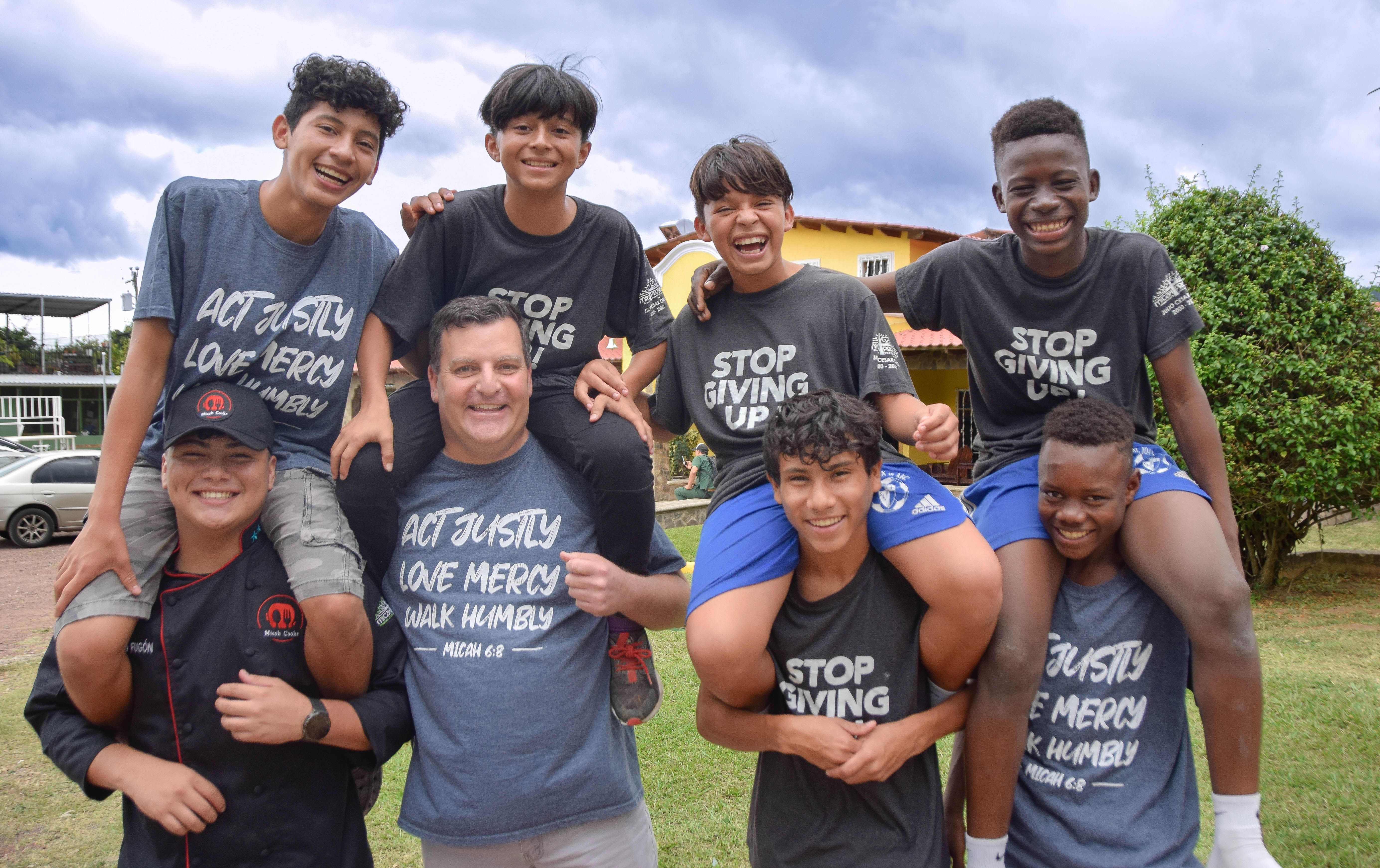
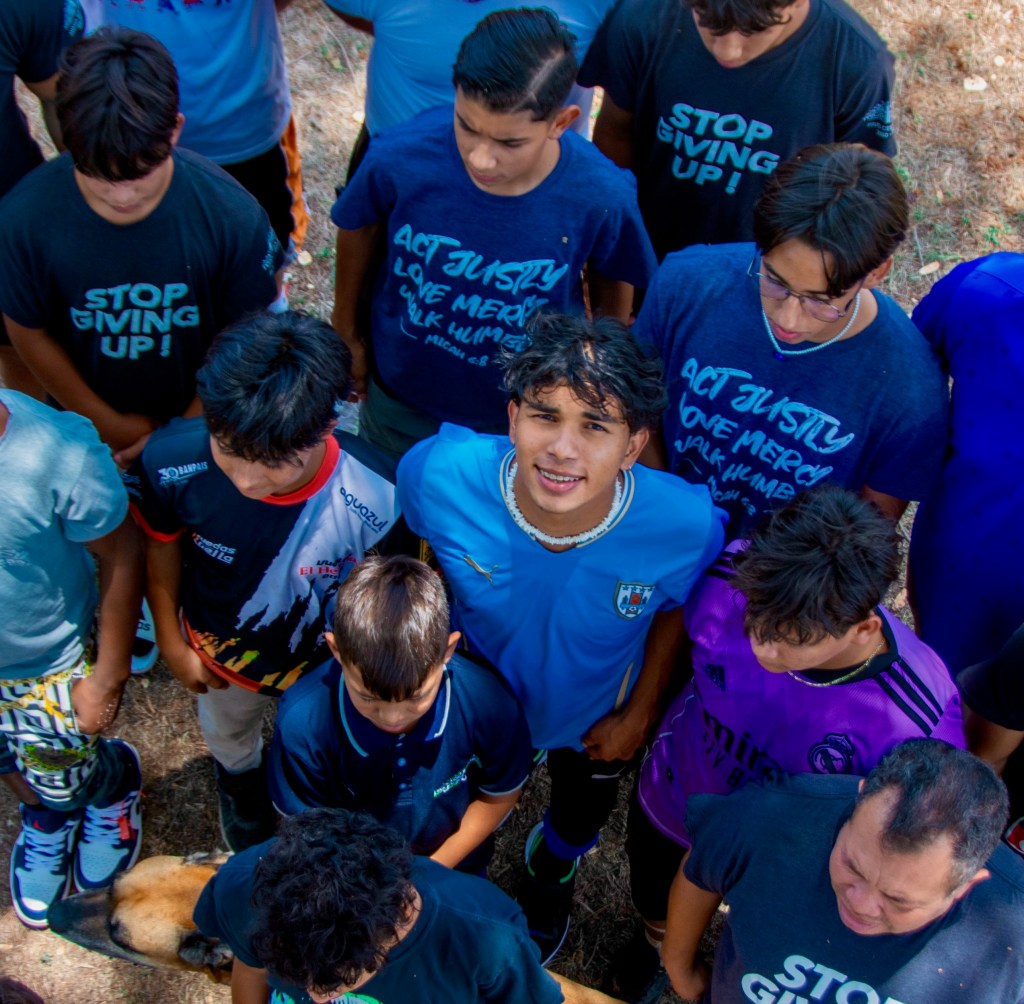
As I write, there are 38 young men in our three homes—each craving this love, each in different stages of transformation because of it. It is a messy, painful, extraordinarily beautiful life we share with them, as their brokenness intermingles with our brokenness and God finds a way to make His love known despite ourselves.
I think I speak for all my staff when I say that you play an integral part in this fight for love and life. The funds you give, the love, prayers and encouragement that you send our way—these are empowering, courage-inducing, and ultimately, life-giving. They are a physical sign of the love that these boys so desperately need.
From the bottom of our hearts, where His unshakeable love dwells, thank you.
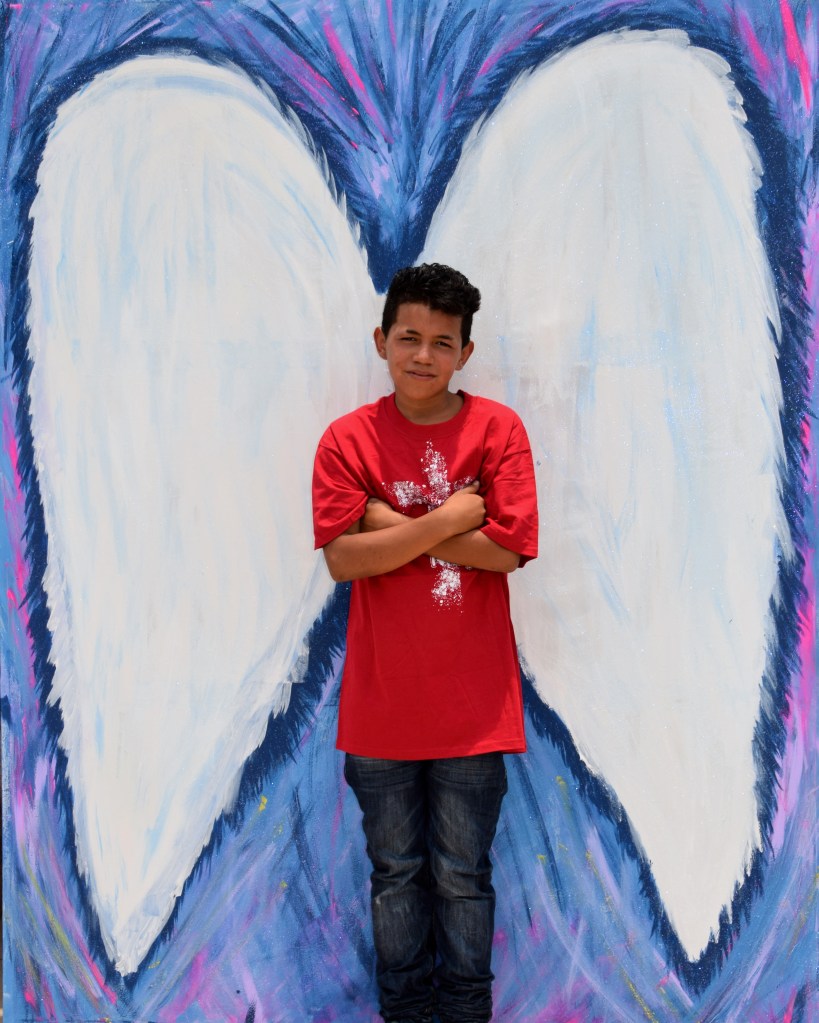
Michael











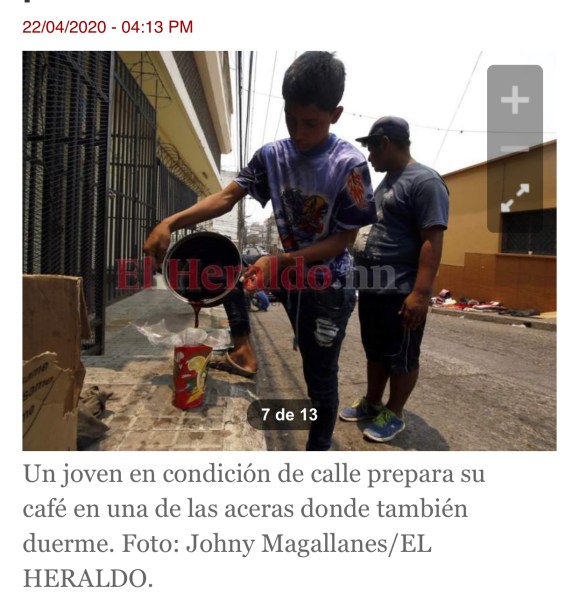 In the newspaper article, Alejandro is backlit; his shadowed form is pouring thick black coffee into a makeshift filter. An organization has donated primitive gas stoves to the street kids, and he is using it to make coffee to pass out to his friends. He is totally focused on this task; I’m not even sure that he knows his picture has been taken. The newspaper’s caption reads, “a street-connected youth prepares coffee on a sidewalk where he also sleeps.”
 At that moment, Brayan’s broken mug was gospel love in action. His gift encouraged my heart that day and brings a smile to my face every time I pull it out of my cupboard. He owns no earthly possessions, but he modeled God’s love to me through his gift and through the joy he took in giving it. Does Brayan have a complete grasp of the gospel message? Perhaps not. He definitely has his share of demons that keep him forever teetering on the edge of a cliff. But, over and over again in the gospels, Jesus saw beyond the demons to the child of God hidden behind them. He saw the potential for love that each of them had; hence, his instructions to the demon-possessed man of the Gerasenes to “go and tell them how much the Lord has done for you” (Mark 5:19). Jesus doesn’t see the man as a passive receiver of his love; he empowers him to spread that love far and wide.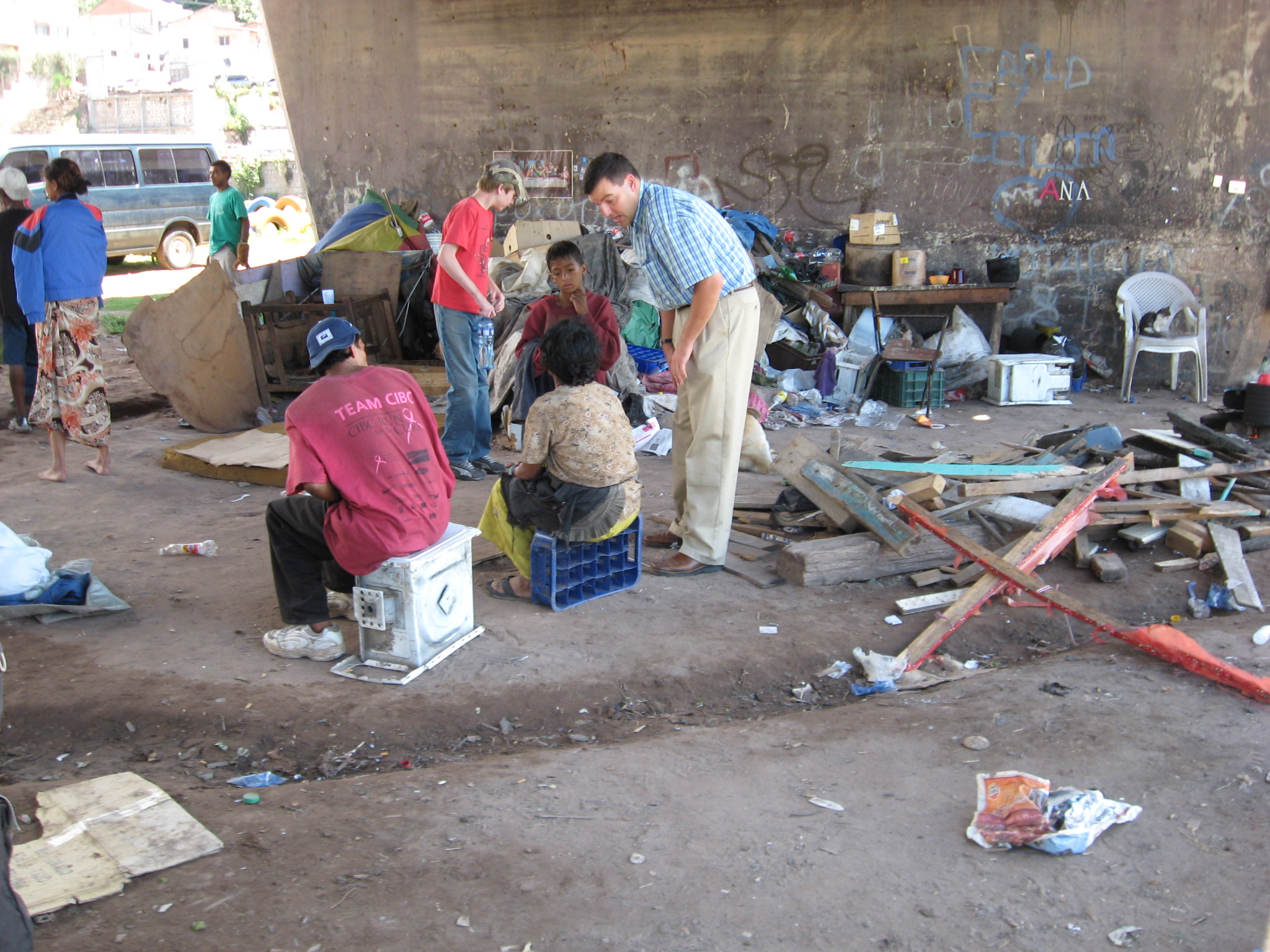






 Blessed by the Brokenhearted